Introduction
Walk into any well run office building, hospital, or hotel in Saudi Arabia and pay attention to the doors. They close behind you smoothly, at a controlled speed, every single time. Nobody’s pushing them shut. There’s no slam, no bounce, no gap left open.
That’s not an accident, it’s a door closer doing its job.
Door closers are one of those pieces of hardware that nobody notices when they’re working correctly, and everyone notices when they’re not. A door that swings back violently, or drifts open and stays open, or fails to latch, these are door closer failures. Understanding what a door closer is, how it works, and how to choose the right type for your application takes about ten minutes to learn and saves you from a lot of avoidable problems down the line.
What Is a Door Closer?
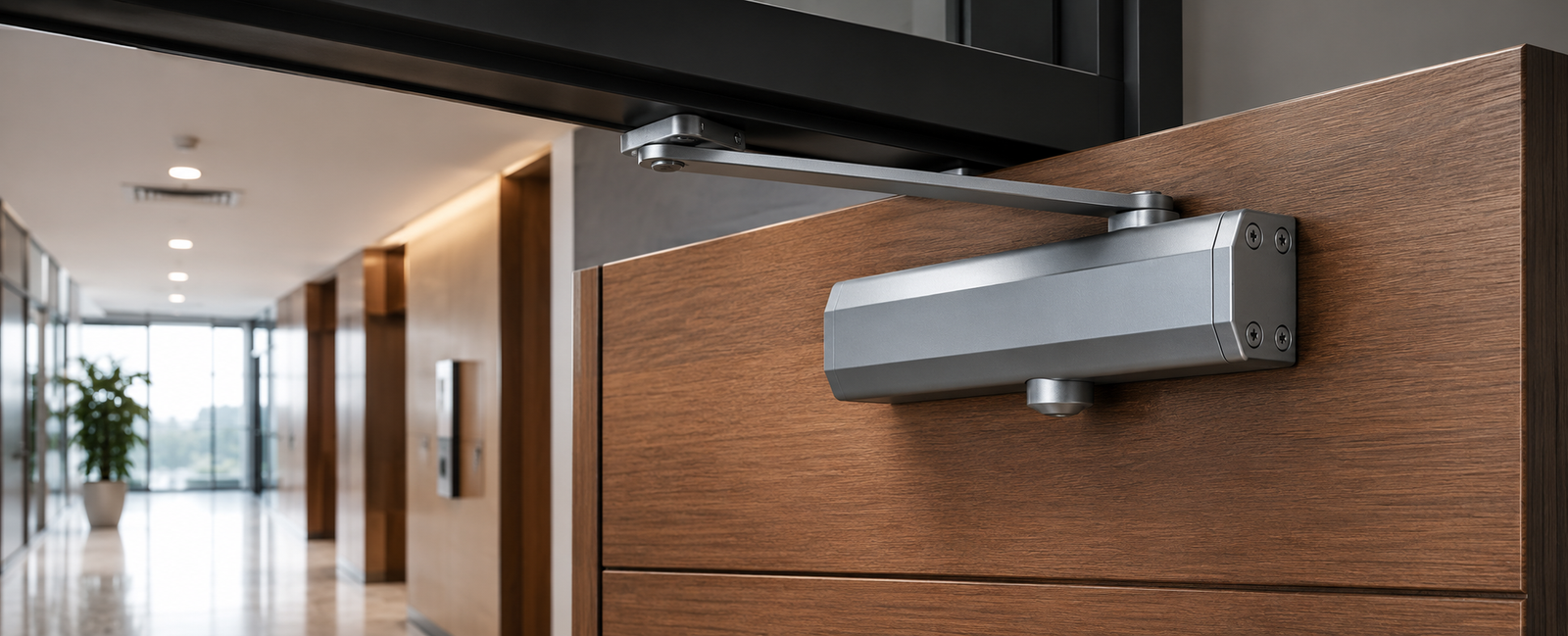
A door closer is a mechanical or hydraulic device that controls a door’s closing action after it’s been opened. It does two things: it pulls the door back to the closed position using a spring, and it controls the speed of that closing action using hydraulic resistance, so the door doesn’t slam, bounce, or close too slowly to latch properly.
They’re used everywhere from residential entry doors to heavy fire rated commercial doors, hospital wards, school corridors, hotel room entrances, and shopping centre storefronts. Any door that needs to close reliably after every use, whether for safety, security, fire compliance, or energy efficiency, is a candidate for a door closer.
In Saudi Arabia’s commercial construction sector specifically, door closers are a standard specification item on fire-rated doors, where they’re not optional, they’re required by building safety regulations to ensure the door returns to the closed position and maintains the fire barrier integrity.
How a Door Closer Works
Most door closers share the same core mechanism: a spring and a hydraulic damping system working together.
When someone opens the door, the internal spring compresses and stores that energy. The moment the door is released, the spring pushes it back toward the closed position. Without the hydraulic element, the spring would snap the door shut hard, which is exactly what you don’t want. The hydraulic cylinder controls the rate at which the spring can release its energy, regulating the closing speed through a series of adjustable valves.
As the door reaches the last few degrees of travel, a separate “latch speed” valve takes over, applying slightly more force to ensure the latch engages cleanly without the door bouncing back open.
Most quality door closers have at least two adjustment points: closing speed (how fast the door travels through its main arc) and latch speed (the final push to engage the latch). Some models add a “backcheck” function that slows the door near the fully open position, protecting the wall and the closer arm from impact damage.
That’s the whole mechanism. Spring energy in, hydraulic control out, latching confirmed. Simple in principle, but the quality of those components the spring steel, the hydraulic fluid, the precision of the valves ,determines how long it lasts and how consistently it performs.
Why Door Closers Matter Beyond Convenience
It’s tempting to think of door closers as a comfort feature. They’re more than that.
Safety is the most direct benefit. Uncontrolled doors, ones that swing freely or slam cause injuries. A controlled closing action protects fingers, reduces impact risk, and removes the hazard of doors rebounding into people following close behind.
Fire compliance is mandatory in regulated buildings. Fire doors must self-close and latch after every use. Without a functioning door closer, a fire door is a non-compliant door. In Saudi Arabia, this is a building code requirement, not a suggestion.
Security is the third consideration. A door that doesn’t close reliably behind people is a door that stays open. Door closers eliminate the “someone propped it open” problem and ensure secure spaces stay secure.
Energy efficiency matters in Saudi Arabia’s climate more than in most markets. A door that drifts open in a conditioned space allows cooled air to escape continuously. At scale across a commercial building or residential compound , that adds up on every utility bill.
Hardware protection is the quietest benefit but a real one. Slamming doors stress hinges, frames, and locks with every closure. Controlled closing extends the service life of all associated door hardware significantly.
Door Closer Types: Which One Fits Your Application
Not all door closers are the same product. The right type depends on the door, the installation context, and the aesthetic requirements of the space.
Overhead (Surface-Mounted) Door Closers
The most common type globally and across Saudi Arabia’s commercial construction market. The closer body mounts to the top of the door face, with an arm connecting to the frame. They’re visible, straightforward to install, and easy to adjust and maintain. For offices, schools, retail spaces, and most commercial buildings, overhead surface mounted closers are the default specification.
Concealed Door Closers
The closer body is fitted inside the door or frame, completely out of sight. The clean architectural finish makes them popular in premium hotels, high-end residential projects, and any interior where surface-mounted hardware would compromise the design. They’re more expensive and more complex to install , they need to be planned before the door is hung, not retrofitted after.
Floor Spring Door Closers
Mounted in the floor beneath the door pivot point, floor springs are the go-to for heavy glass doors , the frameless glass entrances you see in corporate lobbies, shopping centre storefronts, and premium commercial buildings. They handle significant door weight without any visible hardware above floor level.
Parallel Arm (Parallel Bracket) Door Closers
A mounting configuration rather than a separate product type, but worth understanding distinctly. In a parallel installation, the closer arm folds parallel to the door face when the door is closed, rather than projecting outward. This reduces the arm’s protrusion into the doorway, makes the installation more resistant to vandalism (there’s less to grab and force), and suits high-traffic public environments like school corridors and government buildings well. More on installation below.
Automatic Door Closers
Integrated with sensors, access control systems, or hold-open mechanisms, automatic closers allow touch-free operation and can hold doors open during permitted access periods while ensuring they close and latch when required. Hospitals, airports, and smart building specifications use these most commonly.
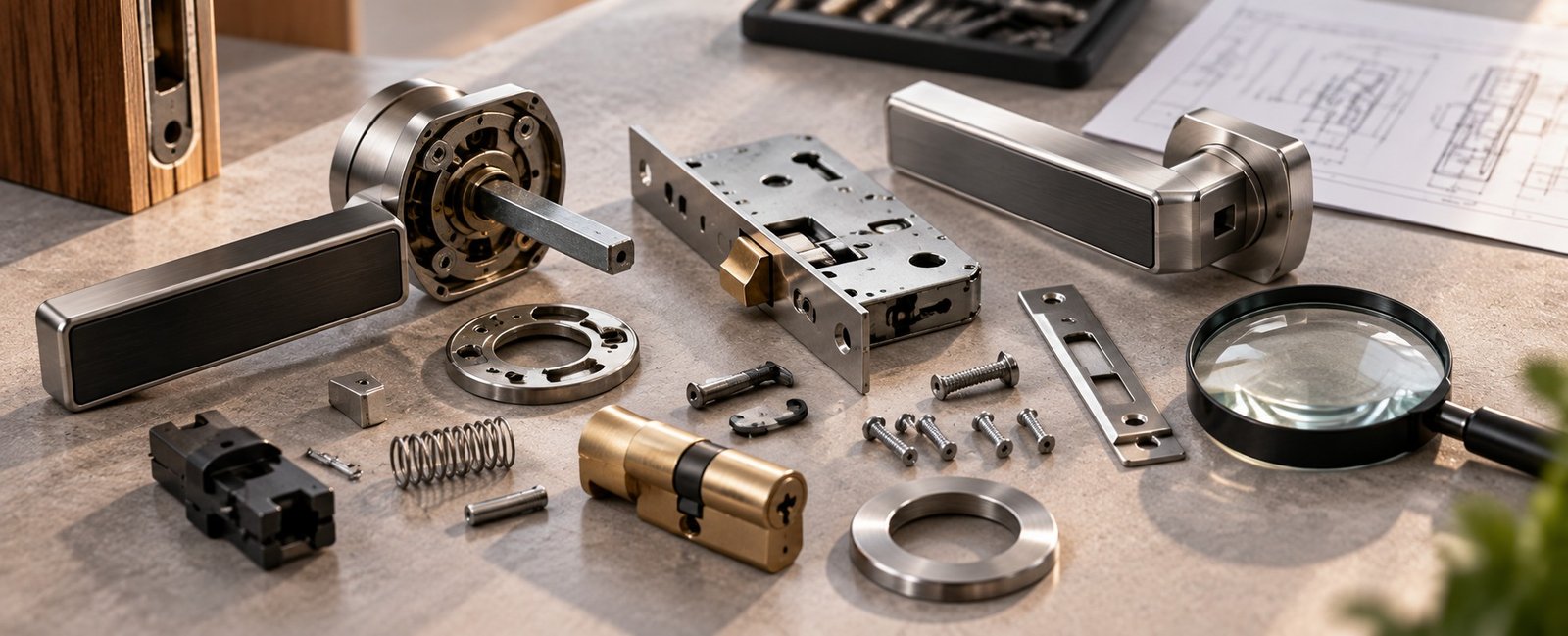
Door Closer Hardware: What Actually Matters in Quality
A door closer is only as reliable as its weakest component. When you’re evaluating hardware, these are the elements worth checking.
The closer body and cylinder should be solid cast iron or heavy-gauge steel on quality units. Lightweight alloy bodies save cost at manufacturing but show wear earlier under frequent use.
The internal spring is the workhorse of the mechanism. Better springs use higher-grade steel that maintains its tension over decades of compression cycles. Cheaper springs lose tension progressively and produce a closer that gradually stops latching correctly.
The hydraulic valves determine how smoothly and adjustably the closer operates. Quality closers have accessible, clearly marked adjustment screws for closing speed, latch speed, and backcheck. Budget closers either have limited adjustment range or valves that drift out of position over time.
The arm and bracket assembly takes the most mechanical stress in daily use. Look for forged or machined arms rather than stamped sheet metal. The pivot points and connections should be tight with no play arm slop translates directly into inconsistent door operation.
Finally, the size rating matters. Most manufacturers rate closers by door weight and width , EN 1–6 in European-standard products is a common scale, with EN3 covering most standard commercial doors and EN4–6 for heavier applications. Installing an undersized closer on a heavy door is one of the most common fitting mistakes.
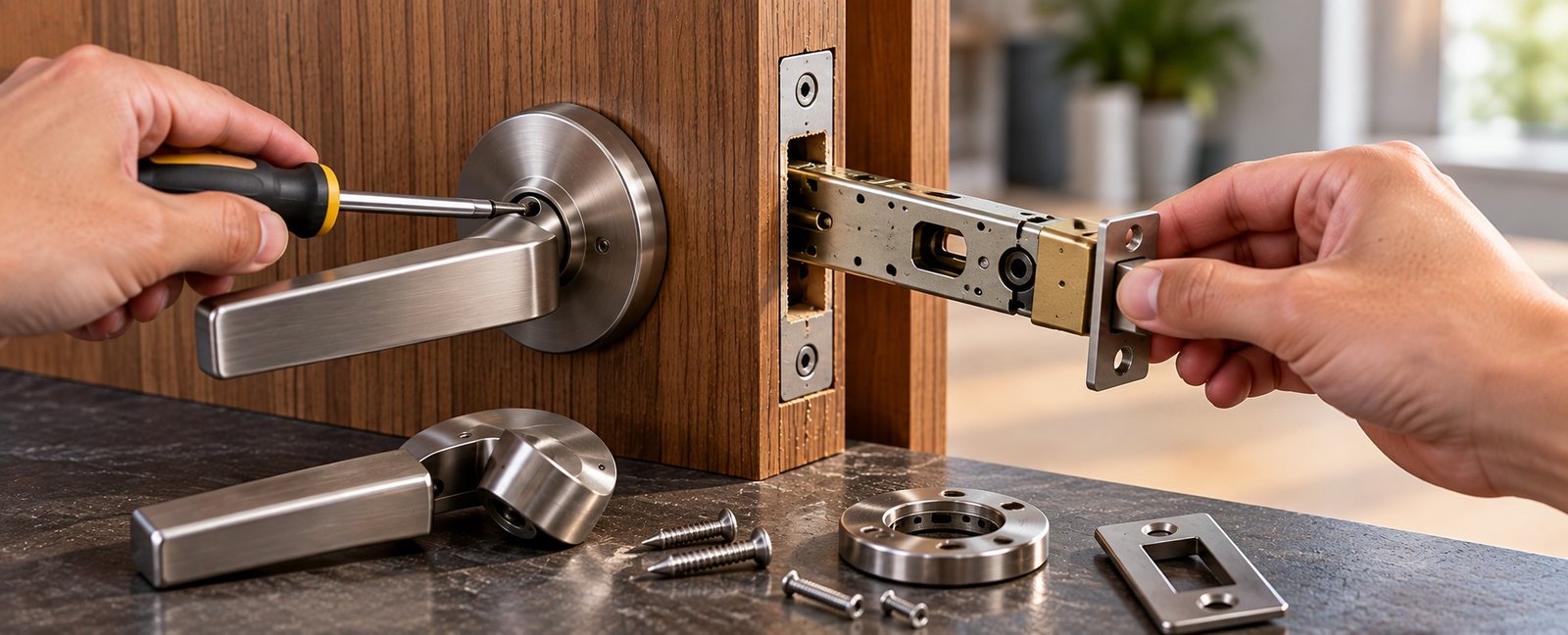
Door Closer Fitting: Getting the Installation Right
Fitting a door closer incorrectly is more common than it should be. Most post-installation problems , closing too fast, not latching, arm binding are fitting issues rather than product failures.
Before you start: confirm the door closer is the right size for the door weight and width. Check which side the door is hinged and which side it opens toward. This determines whether you’re doing a standard mounting or a parallel arm configuration. Check that the frame is structurally sound a closer bolted to a weak or damaged frame won’t perform correctly regardless of product quality.
The template matters: Every quality door closer ships with a drilling template. Use it. Mounting holes placed by eye rather than from the template create alignment problems that affect the entire operating geometry of the arm.
Arm alignment is critical: The arm should sit at 90 degrees to the door face when the door is at 90 degrees open. Incorrect arm geometry means the closer is working against itself through part of the door travel, which accelerates wear and reduces consistent closing force.
Adjust after fitting, not before: Set the closing speed and latch speed with the door installed and operating. Start with both valves mostly closed (slow) and open them incrementally until the door closes at the right pace and latches cleanly. Don’t rush this , five minutes of adjustment here prevents months of poor operation.
For fire-rated doors: professional installation is the right call. Fire door closer fitting often needs to be documented as part of the building’s fire safety certification, and incorrect installation can void both the door’s fire rating and the building’s compliance.
Parallel Door Closer Installation: How It Works and Why It’s Specified
In a standard top-mount installation, the closer arm projects outward from the door face when the door is open , which means the arm is exposed in the doorway and subject to impact and interference.
Parallel door closer installation puts the closer body on the push side of the door, with the arm configured to fold parallel to the door face when it’s in the closed position. A parallel arm bracket connects the free end of the arm to the door frame.
The practical advantages: the arm doesn’t project into the occupied space when the door is closed, making the installation less vulnerable to vandalism and accidental impact. It also presents a cleaner visual profile from the pull side of the door. In high-traffic public environments , school corridors, hospital wards, government buildings , this combination of durability and reduced visual intrusion makes parallel arm installation the preferred specification.
The trade-off is that parallel arm geometry is slightly less mechanically efficient than standard mounting, so the closer size rating needs to be adequate for the door weight. Don’t underspecify on a parallel install.
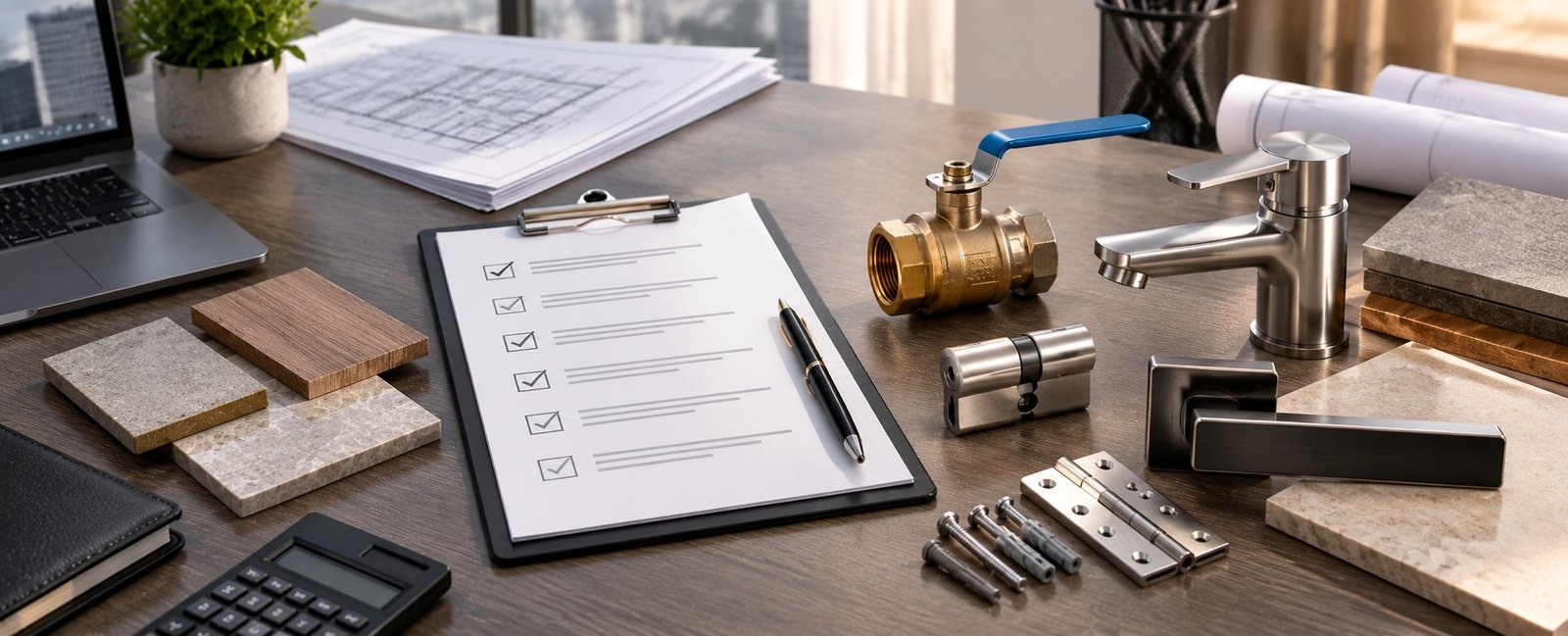
Choosing the Right Door Closer: A Practical Checklist
Run through these before specifying or purchasing:
- Door weight and width: match the closer’s EN or equivalent size rating to the actual door specifications. When in doubt, size up.
- Opening frequency: a door that cycles hundreds of times per day in a busy commercial building needs a heavy-duty unit. A residential entry door that opens a dozen times daily doesn’t.
- Fire rating requirement: if the door is fire-rated, the closer must be certified for that application. Confirm before purchase, not after installation.
- Mounting position: standard arm, parallel arm, or top jamb mounting? This affects which products are compatible and how the arm geometry is configured.
- Aesthetic requirements: is a visible arm acceptable, or does the project require a concealed solution? Concealed closers need to be specified before door manufacture in most cases.
- Environmental conditions: exterior doors exposed to strong wind loads or temperature extremes may need closers with extended hydraulic adjustment range to handle variable conditions reliably.
For contractors and procurement teams sourcing door closer hardware for multiple units across a project, the Contractors page covers volume supply and RFQ support. The full door accessories range includes door closers alongside hinges, handles, and related hardware for complete door set specification.
Maintenance: Keeping a Door Closer Working Correctly
A quality door closer fitted correctly needs very little attention , but not zero attention.
Check the mounting screws every year or so. The vibration from repeated door cycles can work screws loose over time, and a loose mounting leads to inconsistent arm geometry and accelerated wear.
Watch for hydraulic fluid leaks around the cylinder body. A small oil stain on the door or frame near the closer body usually means a seal is failing. Caught early, this is a minor repair. Left alone, it leads to a closer that loses its damping function entirely.
Re-adjust closing and latch speed if the door starts closing noticeably faster or slower than it was set. Hydraulic valves can drift gradually, particularly in environments with significant temperature variation.
Don’t force the door beyond its designed opening angle. Most closers have a mechanical stop built into the arm or a hydraulic backcheck that slows the door near maximum opening , forcing past this point damages the arm pivot and the closer body.
Frequently Asked Questions
What is a door closer used for?
A door closer automatically returns a door to its closed and latched position after it’s been opened, controlling the closing speed through a hydraulic mechanism. They’re used in commercial, residential, and fire rated door applications to improve safety, maintain security, and ensure doors don’t slam or drift open.
How does a hydraulic door closer work?
When the door opens, an internal spring compresses and stores energy. When released, the spring pushes the door closed while a hydraulic cylinder, filled with oil that passes through adjustable valves controls the closing speed. The result is smooth, regulated closure rather than a spring-driven slam.
What are the main door closer types?
The most common are overhead (surface-mounted), concealed, floor spring, and automatic door closers. Each suits different applications, overhead closers for most commercial uses, concealed for premium interiors, floor springs for heavy glass doors, and automatic for touchless or access-controlled environments.
Can a door closer be installed on a residential door?
Yes. Door closers are commonly fitted on residential entry doors, apartment corridor doors, and garage access doors where controlled closing, security, or energy efficiency is a priority. Smaller, lower-rated closers are available specifically for residential weight and traffic requirements.
What is parallel door closer installation?
A parallel arm installation mounts the closer on the push side of the door with the arm configured to fold parallel to the door face when closed. It’s a neater visual result and more vandal-resistant than standard arm mounting , commonly specified in schools, hospitals, and public buildings with high footfall.
How long does a quality door closer last?
A well-specified and correctly fitted door closer from a reputable manufacturer should last ten years or more in normal commercial use. Heavy-traffic installations , main building entrances, busy corridor doors, may need inspection and adjustment more frequently, but the product itself should remain serviceable for many years with basic maintenance.
Source Your Door Closer Hardware for Saudi Projects
Whether you’re specifying a single residential entry door or procuring door closer hardware across a commercial development, getting the product specification and supply right from the start avoids the more expensive problem of replacements and retrofits.
Browse Kanzotech’s door accessories range for door closers, hinges, and related hardware suited to residential and commercial applications in Saudi Arabia. For project volumes and bulk supply, contact the team for RFQ support tailored to your specifications.



 September 30, 2026
 HYZAM KENZ



Comments
No comments yet. Be the first to comment!