Introduction
If you sell door hardware, you already know the frustrating version of this problem: a supplier looks solid on paper, the first shipment is fine, and then three months in, complaint calls start coming in about a rim lock that jams or a door closer that leaks oil. By then, you’ve already sold the batch, and it’s your name on the invoice, not the manufacturer’s.
Sourcing door hardware in bulk isn’t really about finding the lowest price per unit. It’s about finding a supplier whose consistency you can trust order after order, because inconsistency is what actually costs wholesalers and retailers money, in returns, reputation, and repeat customers who don’t come back.
This guide is written specifically for wholesalers, retailers, and hardware distributors sourcing door locks, closers, and complete lock sets in bulk across Saudi Arabia, including buyers based in Riyadh’s wholesale trade. It covers what actually matters when vetting a manufacturer for bulk supply, the questions worth asking before your first order, and the mistakes that are easy to make when price is the only thing being compared.
Summary
- Consistency across a full production run matters more than any single sample looking good.
- Ask about defect rates and how returns are actually handled, not just warranty terms on paper.
- A genuine manufacturer can explain their material sourcing and quality control directly, without vague answers.
- Product range matters for wholesalers specifically, since customers expect a full catalog, not just one or two lock types.
- Always request a trial order before committing to full bulk volume, even with a supplier that looks reliable.
- Packaging and labeling flexibility matters more for resale than most buyers plan for upfront.
- Local stock and delivery reliability in Saudi Arabia reduces the risk of gaps in your own inventory.
- Payment terms and MOQ flexibility should match your actual sales cycle, not just the supplier’s preferred order size.
Why Bulk Sourcing Is a Different Problem Than Retail Buying
Why it matters: Buying one lock for one project is forgiving. If it’s slightly off, you notice and deal with it once. Buying five hundred units for resale is a different problem entirely, because any inconsistency in that batch gets multiplied across every unit, and you won’t know about it until customers start using them.
This is the core difference between sourcing for a single job and sourcing for resale. As a wholesaler or retailer, your reputation rides on every unit performing the same way, not just the one you tested.
Practical example: A rim lock that feels smooth in a showroom sample but ships with a five percent defect rate across a thousand units means fifty customers dealing with a jammed or misaligned lock, and fifty potential returns landing back on your business, not the manufacturer’s.
Consistency Over the Sample: What to Actually Test For
Why it matters: A single sample tells you almost nothing about production consistency. What you actually need to know is how tightly a manufacturer controls quality across a full run.
What to ask a supplier directly:
- What’s the typical defect rate across a full production batch, not just the sample stage?
- Is every unit tested before packaging, or only a sample percentage?
- What happens if a batch arrives with issues, is there a clear replacement or credit process?
Common mistake: Judging an entire supplier relationship off one sample unit that was likely hand picked before being sent. Ask specifically whether the sample came from standard production stock or was prepared separately.
Best practice: Where possible, request that a sample be pulled randomly from existing stock rather than freshly prepared, and ask to see the batch testing process if you’re able to visit or request documentation.
Product Range: Why It Matters More for Wholesalers
Why it matters: Retail customers expect a full range, not just one or two products. A wholesaler juggling five different suppliers to cover door closers, rim locks, and complete lock sets adds coordination overhead, inconsistent lead times, and more points of failure than sourcing from one manufacturer who genuinely covers the range.
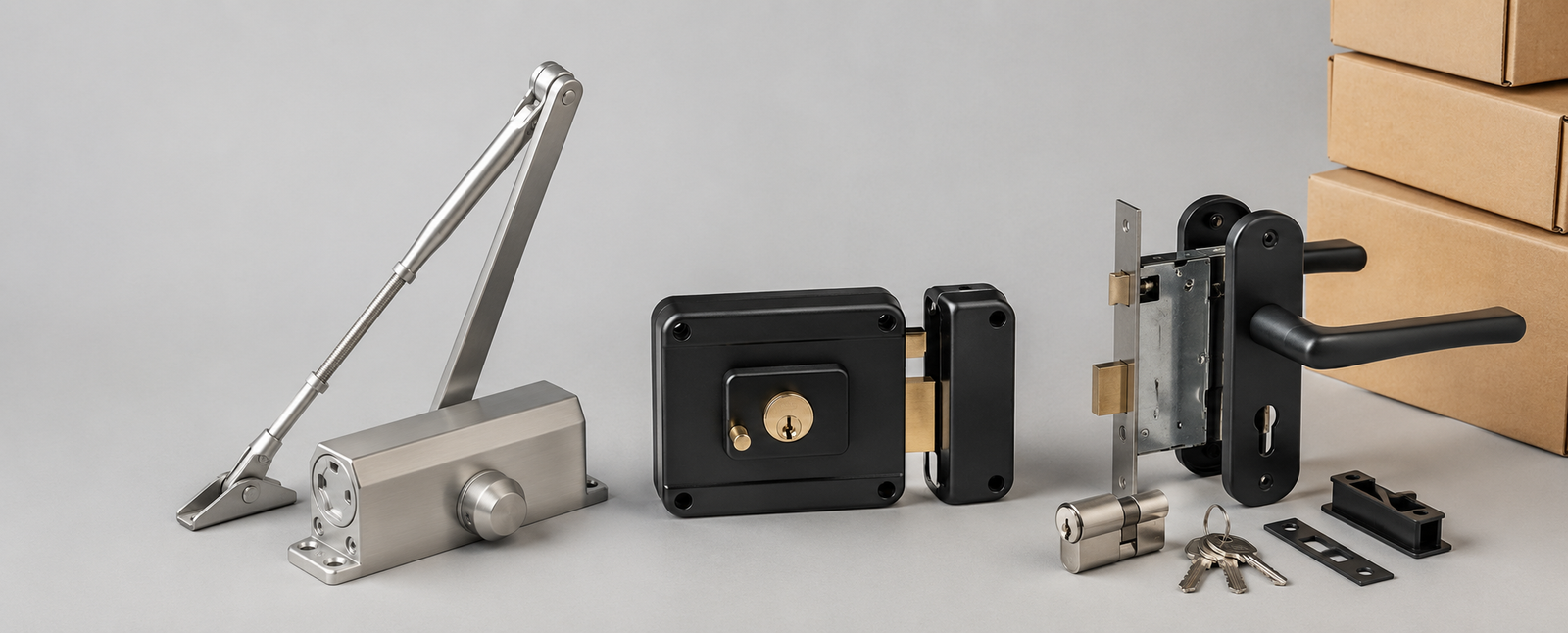
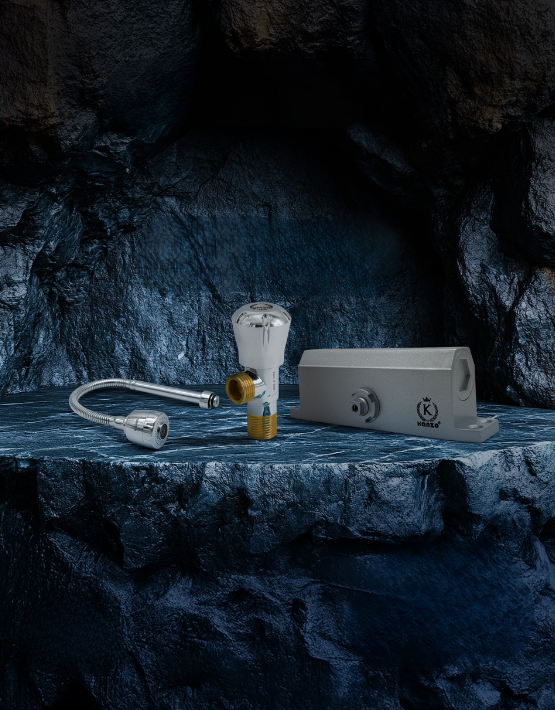
Kanzotech Accessories manufactures across the door hardware and locking system range, including door closers, rim locks, and complete door lock sets, which is exactly the kind of range consolidation that simplifies sourcing for a wholesaler carrying a full catalog.
Practical tip: If you’re currently sourcing door hardware categories from multiple suppliers, it’s worth comparing what it would take to consolidate under fewer, more reliable manufacturers, both for simplicity and for stronger bulk pricing leverage.
Checking the Manufacturer Behind the Product
Why it matters: As covered in more depth in our guide on choosing a valve manufacturer in Saudi Arabia, the same underlying principle applies across every product category sourced in bulk: knowing whether you’re dealing with an actual manufacturer or a trading company reselling under a different label changes everything about accountability, consistency, and technical support.
Questions worth asking directly:
- Do you manufacture this product, or source it from a third party?
- What certifications apply to this product line, and can you provide documentation?
- Who do we contact if there’s a quality issue after delivery, and what’s the resolution process?
Common mistake: Assuming that a supplier who’s been in business a long time is automatically manufacturing their own stock. Longevity doesn’t confirm production control, it just confirms they’ve found buyers willing to not ask.
Packaging, Labeling, and Resale Readiness
Why it matters: This is a detail that catches a lot of wholesalers off guard after they’ve already committed to a supplier. Packaging that works fine for a contractor buying in bulk for a single site doesn’t always work for retail shelf display.
What to check before ordering:
- Is individual retail packaging available, or only bulk carton packaging?
- Can labeling or branding be adjusted for private label resale, if that’s part of your business model?
- Does the packaging protect the product adequately through transit and storage, especially for finish sensitive hardware like chrome or brass locks?
Best practice: Clarify your packaging and labeling needs upfront during the quotation stage, not after the first shipment arrives in a format that doesn’t work for your shelves.
Trial Orders: Why Skipping This Step Is a Costly Mistake
Why it matters: Even a manufacturer with strong references and clear documentation is worth testing at a smaller volume before committing to a full bulk order, simply because a trial order reveals real world consistency, packaging, and delivery timing in a way that a conversation or catalog never will.
What a trial order should tell you:
- Whether the product matches the sample in quality and finish across a larger batch.
- Whether delivery timing matches what was promised.
- How responsive the supplier is to questions or issues during the process, before you’re locked into a larger commitment.
Common mistake: Skipping the trial stage because a supplier offers a better price for committing to full volume immediately. A quality issue discovered at trial scale is manageable. The same issue discovered at full bulk scale is expensive.
Local Stock and Delivery Reliability
Why it matters: For wholesalers, gaps in your own inventory translate directly into lost sales to customers who simply buy from a competitor with stock on hand. A manufacturer with local stock and consistent delivery across Saudi Arabia, including major wholesale markets like Riyadh, reduces this risk significantly compared to relying entirely on international shipping for every restock.
Practical tip: Ask about typical restock lead times specifically, not just first order lead times, since a manufacturer that’s fast for an initial bulk order but slow on repeat restocks creates ongoing inventory gaps.
Payment Terms and MOQ Flexibility
Why it matters: The right supplier on paper isn’t useful if their minimum order quantity or payment terms don’t match your actual sales cycle. A wholesaler still building demand for a new product line needs different flexibility than an established retailer with predictable, high volume turnover.
What to clarify upfront:
- What’s the minimum order quantity, and is there flexibility as the relationship develops?
- What payment terms are available, and do they scale with order history?
- Is there room to adjust order composition, mixing product types within a single bulk order, rather than committing to a single product type at minimum volume?
Common Mistakes Wholesalers Make When Sourcing in Bulk
- Comparing suppliers on price per unit alone, without factoring in defect rates, packaging fit, and delivery reliability into the real cost.
- Skipping a trial order to save time, then discovering consistency issues at full bulk volume.
- Not clarifying packaging needs upfront, leading to stock that doesn’t fit retail display requirements.
- Assuming a long standing supplier is automatically a manufacturer, without asking directly.
- Locking into rigid MOQ terms that don’t leave room to adjust as a new product line’s demand becomes clearer.
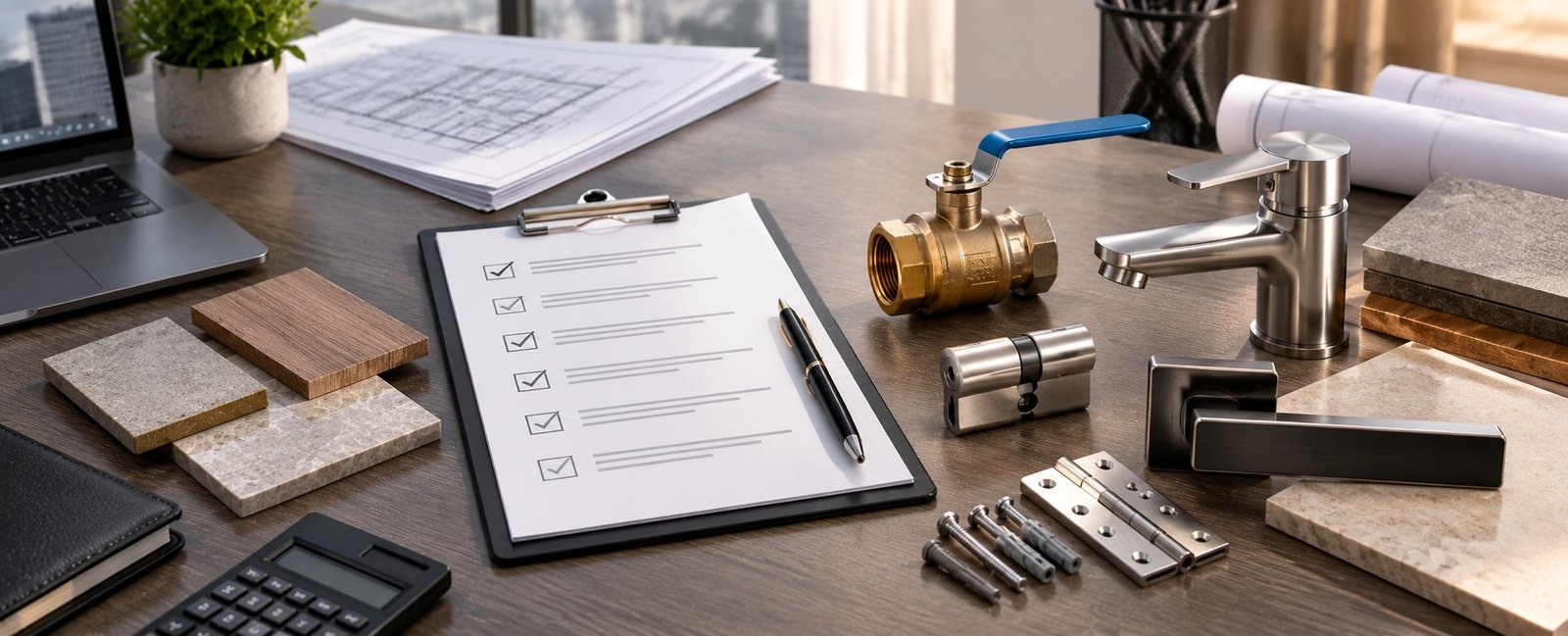
Step by Step Sourcing Checklist
- Define your product range needs across door closers, rim locks, and complete lock sets.
- Request samples pulled from standard production stock, not specially prepared units.
- Ask directly whether the supplier manufactures the product or sources it from a third party.
- Request certification documentation relevant to the product category.
- Clarify packaging and labeling options for resale before finalizing pricing.
- Place a trial order before committing to full bulk volume.
- Confirm restock lead times, not just first order lead times.
- Negotiate payment terms and MOQ flexibility based on your actual sales cycle.
- Establish a clear point of contact and resolution process for quality issues after delivery.
Frequently Asked Questions
- What’s the biggest mistake wholesalers make when sourcing door hardware in bulk? Comparing suppliers on price per unit alone, without factoring in defect rates, packaging fit for resale, and delivery reliability, which often end up costing more than the price difference ever saved.
- Should I always request a trial order before a full bulk order? Yes, even with a supplier that comes well recommended. A trial order reveals real world consistency, packaging fit, and delivery timing that a sample or conversation can’t fully confirm.
- How do I know if a supplier actually manufactures their door hardware? Ask directly whether they manufacture or source from a third party, and request certification documentation. A genuine manufacturer answers specifically and can usually provide details about their production process without hesitation.
- Why does product range matter for wholesalers specifically? Retail customers expect a full catalog. Sourcing door closers, rim locks, and complete lock sets from a single reliable manufacturer simplifies coordination and often improves bulk pricing compared to managing multiple suppliers for different categories.
- What packaging details should I clarify before ordering in bulk? Confirm whether individual retail packaging is available, whether labeling can be adjusted for private label resale, and whether packaging adequately protects finish sensitive hardware during transit and storage.
- How important is local stock availability when sourcing door hardware in Saudi Arabia? Very important for maintaining consistent inventory. A manufacturer with local stock and reliable delivery across Saudi wholesale markets, including Riyadh, reduces the risk of restock gaps compared to relying entirely on international shipping.
- What questions should I ask about defect rates before committing to a bulk order? Ask what the typical defect rate looks like across a full production batch, not just the sample stage, and what the replacement or credit process looks like if a batch arrives with issues.
- Is a lower minimum order quantity always better for a wholesaler? Not necessarily. What matters more is whether the MOQ and payment terms match your actual sales cycle and allow flexibility as demand for a product line becomes clearer over time.
Conclusion
Sourcing door hardware in bulk comes down to trust built on verified consistency, not a single good sample or an attractive price per unit. The wholesalers and retailers who avoid costly return cycles are the ones who ask direct questions about defect rates, request trial orders before full commitment, and confirm packaging fits their actual resale needs before the first bulk shipment arrives.
Your next steps:
- Define your full door hardware range needs before requesting quotes.
- Ask direct questions about manufacturing, defect rates, and quality control.
- Request a trial order before committing to full bulk volume.
- Explore Kanzotech’s door hardware and locking system range, built for the wholesale and retail market across Saudi Arabia.
Sourcing door hardware for resale? Contact Kanzotech Accessories to discuss bulk pricing, trial orders, and packaging options for your business.



 September 30, 2026
 HYZAM KENZ




Comments
No comments yet. Be the first to comment!